24 August 2026 · Daivagya
Marrying Later in Life: What Matching Should Focus On
Why chart matching for a later-life marriage should focus less on rigid gun scores and more on maturity, dashas and real compatibility.
Quick answer
For marriages happening later in life, matching should focus on current dasha periods, the strength of the 7th house at the present age, and emotional and financial compatibility rather than fixed traditional benchmarks. Standard guna milan still applies but carries less weight than a careful look at ongoing planetary periods and life stage factors. A tailored reading gives more useful guidance than generic scoring for such matches.
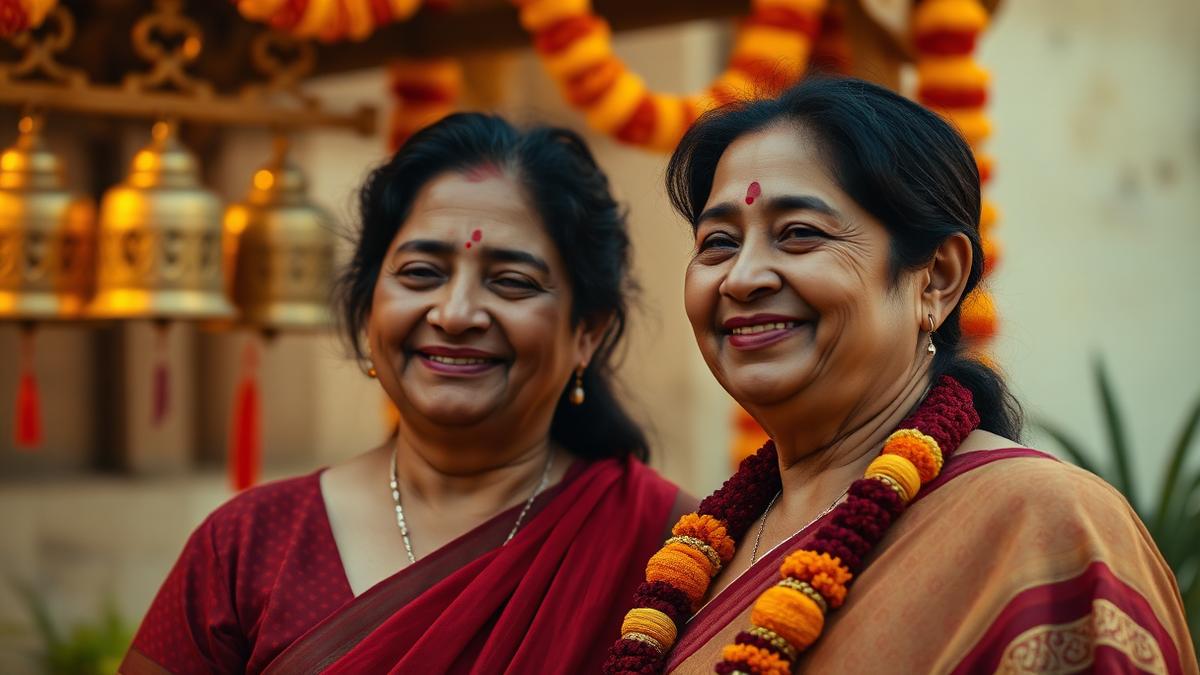
A growing number of people who come to me for matching are marrying later than earlier generations typically did — in their mid-thirties, forties, or even later, sometimes after focusing on career, sometimes after a long personal journey. They often ask me the same thing: "Do the usual matching rules even apply to us in the same way?" My honest answer is: the fundamentals remain the same, but where I place my attention shifts quite a bit.
Why does age change how I approach a matching reading?
When two people marry later in life, they typically arrive with more fixed habits, established careers, sometimes children from a previous stage of life, and clearer personal values. The question is less about "will their personalities generally suit each other in the abstract" and more about "can these two specific, already-formed lives merge well right now." This changes what I prioritise in the chart.
I still perform the standard guna milan as a baseline, but I do not let a lower score alone discourage a mature couple who otherwise show good compatibility in the areas that matter most at this stage of life.
What should matching focus on for a later marriage?
Current and upcoming dashas take priority over general natal patterns. For someone marrying at twenty-five, I look far ahead across many dashas to understand the whole marital journey. For someone marrying at forty-five, I concentrate much more closely on the dasha and antardasha running at the time of marriage and for the next several years, since this is the period that will most immediately shape the relationship's early experience. A favourable dasha for marriage happiness at this stage matters more, in practical terms, than an isolated yoga in a house that relates to a much younger phase of life.
The present strength of the 7th house matters more than its theoretical potential. Charts change in emphasis as different planetary periods activate different houses. I check how the 7th house and its lord are being influenced by the current transits and dasha, not only how they sit in the static birth chart, because that current activation tells me much more about how this particular marriage is likely to unfold.
Compatibility of values and life stage becomes central, more so than the youthful indicators of romance and attraction that I weigh more heavily in matches for younger people. I look closely at Jupiter, for shared values and long-term thinking, and at the Moon, for emotional maturity and the ability to adjust after years of independent living. Two people who have lived fully independent adult lives need charts that show a genuine capacity for compromise and shared decision-making, which I read through the mutual placement and aspects between the Moon and 7th lord of both charts.
Do doshas like Mangal Dosha still need to be checked?
Yes, I always check for Mangal Dosha and other doshas regardless of age, because these placements describe enduring qualities of temperament, not something that disappears with time. However, I do weigh dosha cancellation factors carefully, and I explain clearly to my clients that many doshas have recognised cancellations, and that a mature, self-aware couple is often better equipped to manage any residual friction than a younger couple might be.
What about children from a previous relationship or blended family considerations?
While I do not comment on legal or personal history matters, from a chart perspective, I do look at the 5th house and its lord in both charts for insight into how each person may relate to family responsibilities and children, including step-family dynamics, since this is often a real and practical part of later-life marriages. A well-aspected 5th house generally supports warmth and adaptability in these family situations, which I consider a meaningful factor for mature matches.
Is timing still important for marriages happening later in life?
Timing matters just as much, if not more. I am often asked to help identify a favourable muhurat for marriages happening at this stage, and I take the same care with this as I would for any other wedding — checking the Moon's nakshatra, the day, and the overall planetary alignment for the chosen date. Additionally, I check whether the person's current dasha supports a marriage happening now versus a few months later, since even a short delay based on planetary timing can sometimes ease the transition considerably.
What remedies, if any, do I suggest for later-life marriages?
I keep remedies practical and proportionate. If the 7th house shows strain during the current dasha, I might suggest:
- Simple worship or mantra practice connected to the ruling planet of the current dasha, to soften its more challenging effects
- Attention to Jupiter strengthening practices, since Jupiter supports wisdom and stability, both valuable at this stage of a relationship
- A carefully chosen muhurat for the wedding itself, which I consider one of the most practical and effective remedial steps available
- If a dosha is present, appropriate remedial measures explained clearly, without exaggeration of their necessity
An honest perspective on later marriages
I want to say something directly: I do not believe marrying later makes a chart reading any less favourable by default, and I have seen wonderfully compatible, stable marriages formed later in life. What changes is the lens I use — focusing more on present dashas, current life circumstances, and genuine value alignment, and less on abstract youthful romantic indicators that carry less weight at this stage.
Astrology, in my experience, adapts well to real life circumstances when read thoughtfully. A rigid, one-size-fits-all approach to matching does a disservice to couples marrying later, because their situation is genuinely different from a match happening in someone's early twenties, and the reading should reflect that difference honestly.
If you are considering marriage later in life and want a matching reading that actually accounts for your current circumstances rather than generic scoring, I would be glad to work through it with you. I invite you to book a confidential consultation with me at Daivagya, where we can look at both charts with the depth and context your specific situation deserves.
How do I handle cases where one partner is marrying for the first time and the other is not?
This is increasingly common in the later-marriage matches I work with, and it requires a slightly different lens. I look carefully at the 7th house of the partner marrying for the first time to understand their expectations and adjustment capacity, while for the partner who has been married before, I focus more on the current dasha and the condition of the Moon, to assess emotional readiness and stability going into this new chapter. I explain to both individuals that their charts are being read with slightly different emphasis, and I find this transparency helps them trust the process rather than feeling like one chart is being judged more harshly than the other.
What final thought do I offer couples marrying later in life?
I often tell my later-marrying clients that they usually arrive at matching with more self-knowledge than a younger couple would, and this itself is valuable input alongside the chart. When someone already understands their own patterns, needs, and non-negotiables clearly, a chart reading becomes a tool for confirmation and fine-tuning rather than a search for basic compatibility from scratch. I find these consultations, in some ways, move faster and land on more confident conclusions, precisely because both people bring more clarity about themselves into the room.
Continue reading
Every Marriage Dosha in One Place: A Reference Guide
A complete, clear reference guide to every major marriage dosha in Vedic astrology, including Manglik, Nadi, Bhakoot, and planetary combinations.
Two Manglik Charts, One Peaceful Home: A Reading
Discover how two Manglik charts can create a balanced, thriving marriage through mutual planetary alignment, conscious communication, and classical Vedic insight.
How to Choose Your Wedding Date: A Complete Vivah Muhurat Guide for Families
A comprehensive guide for families on selecting an auspicious wedding date using Vedic Muhurat principles, Panchang alignment, and personalized chart matching.
Manglik Dosha: The Complete Guide to Mangal Dosh, Its Real Effects and Working Remedies
Demystify Manglik Dosha with an honest Vedic astrology guide covering house placements, genuine marital effects, natural cancellations, and working remedies.
New here? Start with the full guide to Vivah Muhurat: Choosing the Right Wedding Date, or try the free kundli tool.
Want your specific situation analysed?
Book a private Marriage & Relationship Consultation with Dr. Rahul Singh — your charts read in detail, with a clear, confidential opinion you can act on.
Limited offer · was ₹7,500 · 60-minute consultation + detailed written analysis