26 August 2026 · Daivagya
How to Read Your Own Kundli: A Beginner's Five-Step Method
Learn a simple five-step method to read your own kundli correctly, from Lagna to Dasha, without misinterpreting isolated placements.
Quick answer
You can read a kundli by checking the Lagna, then the Moon sign and nakshatra, then house placements, then planetary strength, and finally the running Dasha. Following this order prevents the common mistake of judging a chart from one isolated placement.
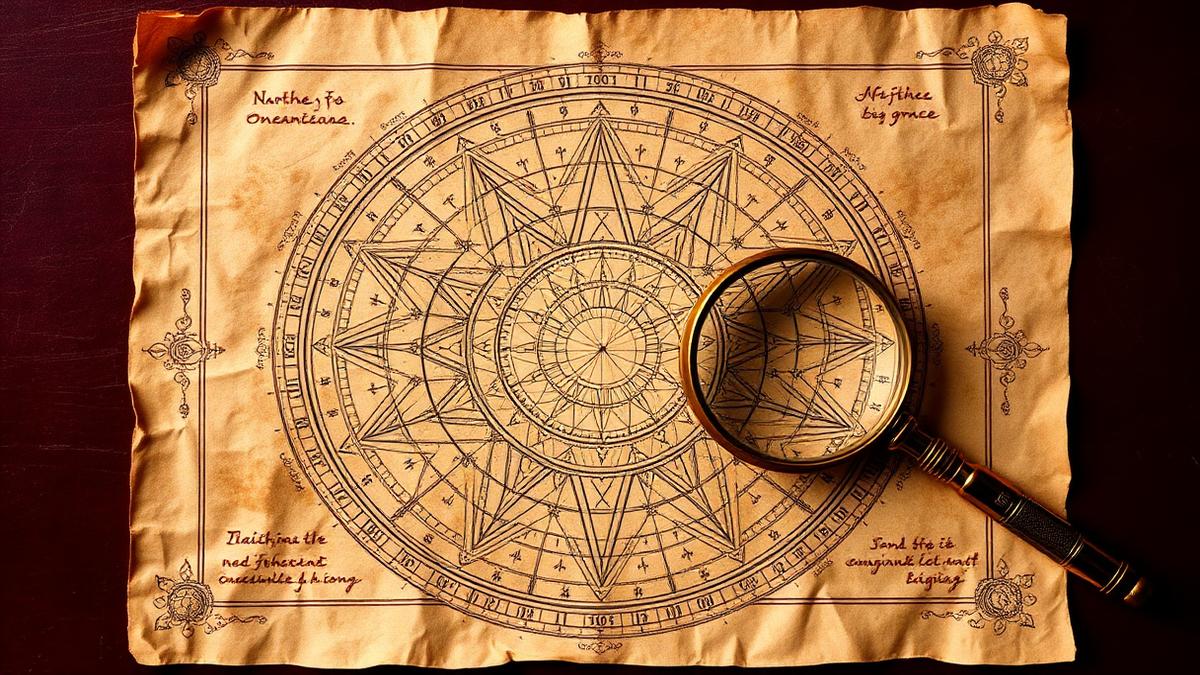
How to Read Your Own Kundli: A Beginner's Five-Step Method
Many people look at their kundli and feel lost among the symbols, numbers and Sanskrit terms. The chart is not meant to be read planet by planet in isolation. It has a logical sequence, and once you learn that sequence, the chart begins to make sense. This post gives you a simple five-step method that any beginner can follow before moving to deeper study.
Why Should You Learn to Read Your Own Chart?
You do not need to become an astrologer to understand the basic shape of your own life pattern. Reading your own kundli helps you ask better questions when you consult a professional, and it removes the fear that often comes from not understanding a document that describes your birth details. If you do not yet have an accurate chart, you can generate one using your exact birth date, time and place before you begin this exercise.
Step One: Identify Your Lagna (Ascendant)
The Lagna is the sign rising on the eastern horizon at the moment of your birth. It sits in the first house of your chart and represents your physical body, general temperament and the lens through which you experience the world. Every other house is counted from the Lagna, so getting this right is the foundation of the entire reading.
Look at your chart and note which zodiac sign occupies the first house. This single piece of information tells you your basic nature before you look at anything else.
Step Two: Locate Your Moon Sign and Nakshatra
While the Lagna describes your outer approach, the Moon describes your mind, emotional responses and instinctive reactions. In Vedic astrology, the Moon sign is often considered as important as the Sun sign is in Western astrology.
Alongside the Moon sign, note the Nakshatra (lunar mansion) your Moon falls in. The Nakshatra adds finer detail to your emotional and mental patterns, and it is also the basis for matching charts in marriage compatibility work.
Step Three: Map the Twelve Houses to Life Areas
Each of the twelve houses governs a specific area of life. A beginner does not need to memorise deep meanings for all twelve immediately, but knowing the broad areas helps you locate what you are looking for.
| House | Life Area |
|---|---|
| 1st | Self, body, temperament |
| 2nd | Family, wealth, speech |
| 4th | Home, mother, comfort |
| 5th | Children, intellect, romance |
| 7th | Marriage, partnerships |
| 9th | Father, fortune, dharma |
| 10th | Career, status, public life |
If marriage is your area of interest, the seventh house, its lord, and the planets placed in and around it deserve careful attention. Venus and Jupiter's condition also matters here, depending on the chart.
Step Four: Check Planetary Strength and Placement
Once you know where planets sit, ask a few basic questions about each one relevant to your query. Is the planet in its own sign, exalted, debilitated, or afflicted by a malefic? Is it well placed in a friendly house, or is it isolated with no supporting aspect?
A beginner should resist the temptation to declare a planet "bad" simply because it sits in a house that sounds difficult. Strength and weakness in a kundli are almost always a combination of sign, house and aspects together, not any single factor alone.
Step Five: Note the Current Dasha Period
The Vimshottari Dasha system tells you which planet is currently governing your life phase, and for how long. This is what turns a static chart into a timeline. A planet that looks average in the birth chart can become very active during its own Dasha or Antardasha period, bringing related events into focus.
Knowing your current Dasha lord and checking its placement and strength gives you a realistic sense of what themes are likely to dominate your next few years, rather than trying to read the whole chart as one flat picture.
What Should a Beginner Avoid While Self-Reading?
Do not rely on a single yoga or a single placement to draw a firm conclusion about marriage, career or health. Classical texts describe combinations that need to be read together with the overall chart strength, the Dasha period and, in matters of marriage, the charts of both people involved. Self-reading is useful for building familiarity, but decisions with long-term consequences deserve a professional review. If you would like your chart examined in detail, you can book a session.
How Long Does It Take to Get Comfortable Reading a Kundli?
With regular practice on your own chart and those of close family members, most beginners start recognising basic patterns within a few weeks. Real fluency, especially in combining multiple factors correctly, takes years of study. Treat this five-step method as a starting framework, not a shortcut to expert-level interpretation.
FAQ
Q1: Can I fully understand my marriage prospects just by reading my own kundli? You can get a general sense of the seventh house and its lord, but marriage-related reading also involves matching with a partner's chart, Dasha timing and several supporting factors. A professional consultation gives a far more reliable picture.
Q2: Is the Moon sign or the Sun sign more important in Vedic astrology? In Vedic astrology, the Moon sign is generally given more weight than the Sun sign because it reflects the mind and emotional pattern, and it forms the basis for several traditional matching and prediction methods.
Q3: Do I need my exact birth time to read my kundli correctly? Yes. The Lagna and house positions depend directly on birth time, and even a difference of a few minutes can shift the entire house structure. Always use the most accurate birth time available when generating your chart.
Continue reading
Combust Planets: When a Planet Loses Its Voice
Combust planets sit too close to the Sun and struggle to express themselves. Learn what combustion means for marriage and life outcomes.
Retrograde Planets in a Birth Chart and What They Change
Retrograde planets in a birth chart do not mean weakness. Learn what they actually change in timing, temperament and marriage matters.
North Indian vs South Indian Chart Style: Reading Both
Understand the key difference between North Indian and South Indian kundli chart styles and learn to read both with confidence.
Your First Consultation: What to Expect, Step by Step
Wondering what happens during your first Vedic astrology reading? Here is a transparent, step-by-step walkthrough of the consultation process and how to prepare.
Want your specific situation analysed?
Book a private Marriage & Relationship Consultation with Dr. Rahul Singh — your charts read in detail, with a clear, confidential opinion you can act on.
Limited offer · was ₹7,500 · 60-minute consultation + detailed written analysis