22 August 2026 · Daivagya
Rudraksha for Relationship Harmony: Which Mukhi and Why
A clear guide to which rudraksha mukhi (bead type) are traditionally worn for marital harmony, and how to choose correctly.
Quick answer
Certain rudraksha mukhis, notably the second, fourth and fourteenth mukhi, are traditionally associated with relationship harmony, communication and reduced conflict. The right choice depends on which planet or concern is relevant to the individual's chart, and rudraksha should always be worn with proper procedure.
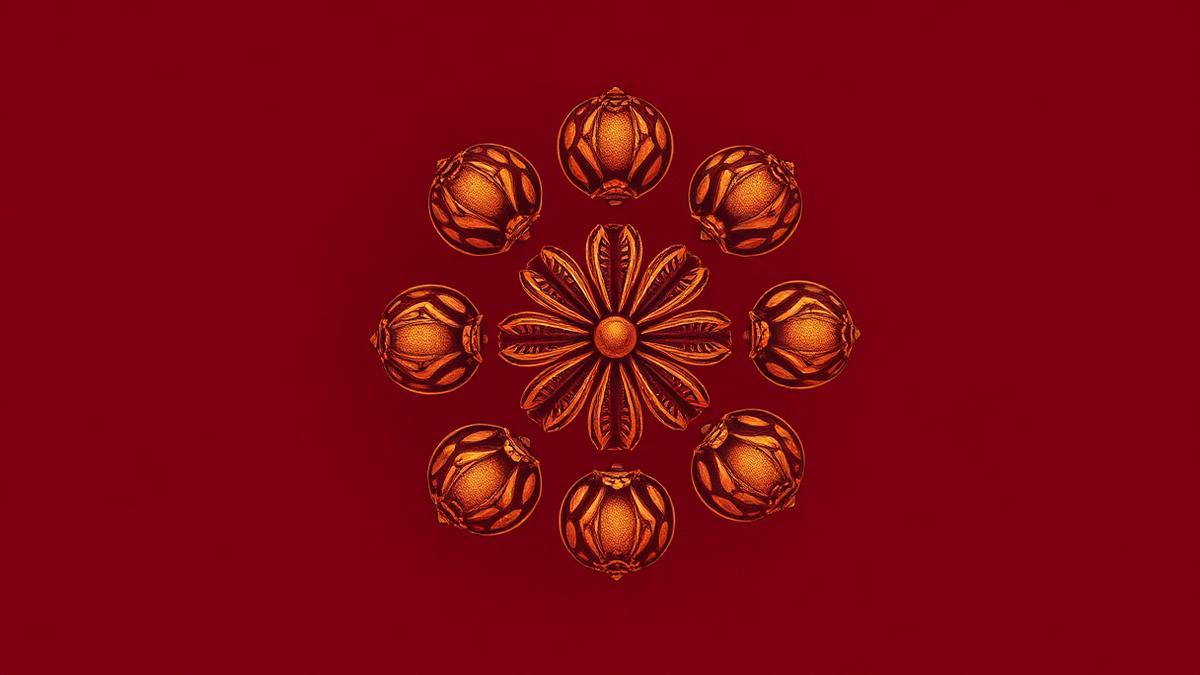
Rudraksha beads are classified by the number of natural lines, or "mukhi" (faces), on their surface, and each mukhi is associated with a specific deity and planetary quality. For relationship harmony, the second mukhi (Shiva-Shakti union), the fourth mukhi (communication, Brahma), and the fourteenth mukhi (protection from discord) are the ones most commonly prescribed, chosen according to which specific issue — distance, miscommunication, or conflict — is present in the relationship.
Which Mukhi Rudraksha Are Used for Marital and Relationship Concerns?
| Mukhi | Ruling Deity | Associated Planet | Primary Use in Relationships |
|---|---|---|---|
| 2 Mukhi | Ardhanarishwara (Shiva-Shakti) | Moon | Unity between partners, reducing distance |
| 4 Mukhi | Brahma | Mercury | Clear communication, reducing misunderstanding |
| 6 Mukhi | Kartikeya | Venus | Attraction, romantic balance |
| 7 Mukhi | Saturn/Ananta | Saturn | Patience, resolving long-standing friction |
| 14 Mukhi | Hanuman | Saturn/Rahu | Protection from external interference, discord |
| Gauri-Shankar | Combined Shiva-Parvati form | — | Marital bonding, considered ideal for couples |
The Gauri-Shankar rudraksha, a naturally joined double bead, is particularly noted in tradition as it physically represents the union of Shiva and Parvati, and is often gifted to a couple rather than worn by one person alone.
Why Is the Second Mukhi Specifically Linked to Marital Union?
The second mukhi rudraksha represents Ardhanarishwara, the half-male half-female form of Shiva, symbolising the complete union of masculine and feminine energy. It is prescribed when a relationship suffers from emotional distance or a lack of understanding between partners, rather than active conflict. It is considered a gentle, harmonising bead rather than one that forces change.
Why Is the Fourth Mukhi Recommended for Communication Issues?
Ruled by Mercury through Brahma, the fourth mukhi is associated with clarity of speech and thought. In marriages where the core issue is repeated miscommunication or misunderstanding rather than deep incompatibility, this bead is traditionally suggested to support calmer, clearer conversation between partners.
When Is the Fourteenth Mukhi Prescribed Instead?
The fourteenth mukhi, associated with Hanuman and linked to Saturn, is considered protective rather than purely harmonising. It is prescribed when external factors — interference from others, prolonged external stress, or a heavier Saturn/Rahu influence in the chart — are seen as the source of relationship strain, rather than the couple's own dynamic.
How Should the Correct Mukhi Be Chosen?
Choosing a rudraksha should follow the same logic as any planetary remedy — it should correspond to the actual weak or afflicted factor in the birth chart, not simply popular recommendation. A short process typically followed:
- Identify the core issue — is it emotional distance, communication, romance, or external interference?
- Check the relevant planet's condition in the birth chart — Moon for emotional matters, Mercury for communication, Venus for romance, Saturn/Rahu for external stress or long delay.
- Match to the appropriate mukhi using the table above.
- Confirm there is no conflicting remedy already in use — wearing multiple unrelated mukhis without guidance is generally discouraged.
A kundli reading is the most reliable way to identify which of these factors is genuinely weak, rather than choosing a mukhi based on a general internet search.
How Should Rudraksha Be Worn for Best Effect?
| Step | Guidance |
|---|---|
| Purification | Cleanse with raw milk and Ganga water before first use |
| Energising | Traditionally energised with the relevant mantra (e.g., Om Namah Shivaya for Shiva-linked mukhis) |
| Day to begin wearing | Monday or the day linked to the relevant planet |
| How to wear | As a pendant close to the chest, or on a wrist mala |
| Maintenance | Avoid wearing during impure activities; remove before bathing if using a thread mala |
| Combining | A Gauri-Shankar bead is often worn by one or both partners jointly |
Common Questions on Combining Rudraksha With Other Remedies
Rudraksha is generally considered safe to combine with gemstones and mantras, provided they are not addressing contradictory planetary needs. For example, wearing a Moon-related second mukhi alongside a Chandra mantra practice is considered complementary, while combining beads for opposing planetary energies without guidance is best avoided. This overlap between gemstone-like remedies and rudraksha is discussed further in our remedies and gemstones hub.
FAQ
Can rudraksha be worn by both unmarried and married individuals for relationship harmony?
Yes. Unmarried individuals often wear the second or sixth mukhi while seeking a compatible match, while married couples more commonly use the second mukhi or Gauri-Shankar bead to sustain harmony.
Is there a specific number of beads required, or is a single bead sufficient?
For relationship remedies, a single well-chosen bead worn consistently is generally considered sufficient; large multi-bead malas are more common in general spiritual practice than in targeted relationship remedies.
How long does it take to notice any difference after wearing rudraksha?
Traditional guidance suggests a minimum of a few months of consistent wear, combined with mindful effort in the relationship itself, since rudraksha is understood to support rather than replace the couple's own communication and effort.
To determine which planetary factor is actually relevant to your relationship before choosing a mukhi, a kundli review is recommended, and you may book a consultation for a personalised assessment.
How Does Rudraksha Compare to Gemstones for the Same Concern?
Both rudraksha and gemstones are used to strengthen or balance planetary energy, but they differ in intensity and suitability.
| Factor | Rudraksha | Gemstone |
|---|---|---|
| Intensity | Gentle, gradual | Can be stronger, more immediate |
| Cost | Generally more affordable | Can range widely, often higher for fine quality |
| Trial period | Easier to start and stop | Usually meant for longer, more committed wear |
| Suitability check | Fewer contraindications | Requires more careful chart matching, as a wrong gemstone can aggravate an already strong planet |
| Common use | Ongoing general harmony | Targeted correction of a specifically weak planet |
For many people beginning remedial practice, rudraksha is suggested first precisely because it carries a gentler profile and fewer risks, with gemstones reserved for cases where a planet is clearly and significantly weak.
What Does Genuine Rudraksha Look Like, and Why Does Authenticity Matter?
Given the popularity of rudraksha remedies, authenticity has become an important practical concern. A few points worth checking before purchase:
- Source verification — beads should ideally come from a known, reputable source with some form of authentication.
- Natural lines — genuine mukhi lines run naturally and irregularly along the bead's ridges, unlike artificially carved lines which tend to look overly uniform.
- Density and weight — a genuine bead generally sinks in water and has a proportionate weight for its size, though this alone is not a fully reliable test.
- Avoiding excessive claims — beads marketed with exaggerated promises of instant results are best treated with caution regardless of their stated mukhi.
Wearing an inauthentic bead is not considered harmful, but it is unlikely to offer the intended remedial support, so this is a practical matter rather than a superstition.
Can Rudraksha Be Worn Without a Chart Reading?
It can, and many people wear a general second mukhi or Gauri-Shankar bead simply as a symbol of devotion and intention for harmony, without a formal reading. This is a reasonable and common practice, particularly for couples wearing a Gauri-Shankar bead together as a shared devotional item. However, if the goal is specifically to correct a marked planetary weakness — for instance a genuinely afflicted Mercury causing persistent miscommunication, or a heavily stressed Saturn causing prolonged discord — a chart-based selection is considerably more likely to be effective than a general choice.
How Does This Fit Into a Broader Remedial Approach?
Rudraksha is rarely used in isolation in a well-structured remedial plan. It is commonly paired with the mantra of the same ruling deity — for instance, wearing a second mukhi bead while also chanting Om Namah Shivaya regularly — so that the physical and mental aspects of the practice reinforce each other. In more pronounced cases, this may also be supplemented with a fasting day or a small donation aligned to the same planet, forming a complete, coherent remedial routine rather than a single isolated object worn with vague hope.
Continue reading
Vastu for the Bedroom: Small Changes That Ease Marital Tension
Practical, no-renovation Vastu fixes for the bedroom that can ease everyday tension between spouses.
The South-West Corner and Its Link to Marriage Stability
Why the home's south-west zone matters in Vastu and how it is linked to a settled, stable marriage.
Vastu Before a Wedding: Preparing the Family Home
A practical Vastu checklist for preparing the family home in the weeks before a wedding.
Mirrors, Clutter and Sleep Direction: Vastu Myths Tested
A grounded look at common Vastu claims about mirrors, clutter and sleep direction in the bedroom.
Want your specific situation analysed?
Book a private Marriage & Relationship Consultation with Dr. Rahul Singh — your charts read in detail, with a clear, confidential opinion you can act on.
Limited offer · was ₹7,500 · 60-minute consultation + detailed written analysis